I was sitting in the back row of a Tuesday night Bible study when a woman named Ruth—a retired nurse with kind eyes and a no-nonsense spirit—raised her hand and asked the question that had been sitting in my own chest for months.
"If I wake up some mornings and wonder if any of this is real," she said, "does that make me a bad Christian?"
You could've heard a pin drop. Half the room stared at their shoes. The other half nodded like they'd been waiting years for permission to admit the same thing.
Here's what most people miss: doubt isn't the opposite of faith. It's often the raw material faith gets built from. And yet so many of us treat it like a spiritual disease we need to hide behind a smile.
So let's talk about it. Honestly. No churchy clichés, no pretending.
The Night I Prayed to a Ceiling That Felt Empty
A few years back, I went through a stretch where prayer felt like talking to a wall. I'd grown up believing, led small groups, even taught on faith. But somewhere between a painful loss and a season of exhaustion, the certainty I'd built my life on started developing cracks.
One night I remember saying out loud, "If You're there, You're going to have to show me."
Nothing dramatic happened. No lightning. But here's the surprising part—that prayer didn't feel like betrayal. It felt like honesty. And I've since learned that God can handle our honesty a lot better than He can handle our pretending.
Is doubt a sin? The short answer most of us were taught is "yes, obviously." The longer, truer answer is a lot more interesting.
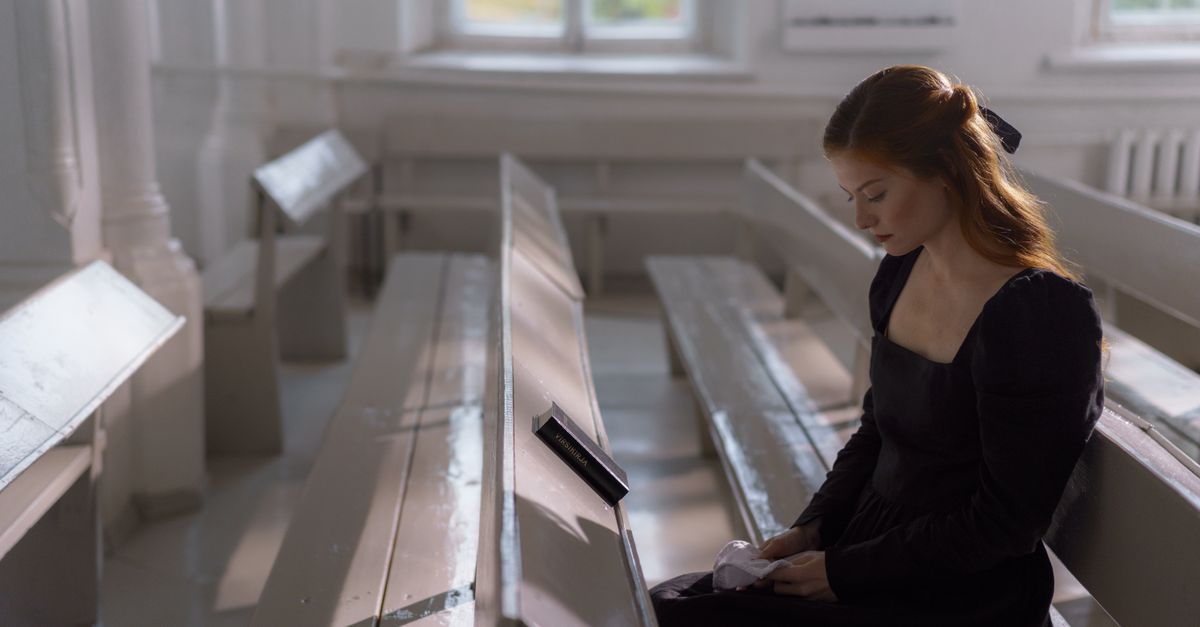
Question 1: If I Doubt, Does That Mean I'm Not Really Saved?
This one keeps people up at night. If I have doubts about my faith, was my faith ever real?
Let me push back on the premise. Faith and doubt aren't opposites—faith and certainty are. Doubt is what happens when certainty runs out and you keep showing up anyway. That's not the absence of faith. That's faith doing its actual job.
Think about it. A person who has never questioned anything hasn't chosen their faith—they've just inherited it. The person who's wrestled with doubt and stayed? They chose it. Every time.
I've found that the believers who've survived a real crisis of faith tend to be the most grounded people I know. Not because doubt is fun, but because it forces you to figure out what you actually believe versus what you've just been repeating.
Question 2: Why Does Everyone Else Seem So Sure?
Here's a secret: they're not. Or at least, a lot of them aren't.
We're really good at performing certainty in church settings. We sing the right songs, say "God is good" at the right moments, and post the right verses. But behind closed doors? A whole lot of people are quietly wondering the same things you are.
I once had a mentor—a man I'd assumed had the spiritual life of a monk—tell me he went through a five-year stretch where he wasn't sure God existed. Five years. I'd been putting him on a pedestal he never asked to be on.
The loudest voices of certainty are often the most fragile. If you're comparing your private doubts to someone else's public confidence, you're comparing your insides to their outsides.
Question 3: Is It a Sin to Ask God Hard Questions?
Let's be honest—some of the most faithful people in Scripture asked brutal questions.
- Abraham negotiated with God about Sodom.
- Moses argued with God at the burning bush.
- Job demanded answers and refused to let go.
- David filled entire psalms with "God, where are You?"
- Thomas said he wouldn't believe until he touched the wounds.
And here's what's striking: God didn't punish any of them for asking. He engaged. He answered. He showed up. If anything, the people who got rebuked in Scripture were the ones who pretended to have it all together while their hearts were far away.
So is asking hard questions a sin? I don't think so. I think refusing to ask them—and calling that "faith"—is more dangerous than the questions themselves.
Question 4: What's the Difference Between Healthy Doubt and Destructive Doubt?
Not all doubt is the same, and this distinction matters.
Healthy doubt asks, "Is this true?" It's curious, humble, and open to being wrong. It drives you toward God, toward community, toward Scripture—even if you're limping the whole way.
Destructive doubt asks, "Why bother?" It's not looking for answers; it's looking for reasons to walk away. It isolates you, hardens you, and convinces you there's no point in asking at all.
The line between them isn't how much doubt you have—it's the direction you're facing while you carry it. Are you doubting toward God or away from Him? That's the question.

Question 5: Can I Be Honest About My Doubt Without Losing My Community?
This is the scary one, isn't it? Because admitting doubt can feel like social suicide in some circles.
But hear me: a community that can't handle your questions isn't a community—it's a performance. A real church, a real faith community, makes room for the person who says, "I'm not sure right now."
You might have to choose your people carefully. Find the Ruths in your life—the ones who nod instead of flinch. You don't need a hundred of them. Two or three honest people who can sit with you in the not-knowing is worth more than a stadium of people pretending.
What Doubt Is Actually For
So, is doubt a sin? I'll give you my honest take: doubt itself isn't the sin—avoiding, hiding, and lying about it is where we get into trouble.
Doubt is a tool. A fork in the road. A question that forces you to stop borrowing your faith from someone else and actually own it. It's uncomfortable, and I won't pretend it's fun. But I've come to see it as one of the most honest places a person can stand.
Ruth came back to Bible study the next week. She didn't have all her answers. But she told me something I've thought about ever since: "I stopped asking God to remove my doubt and started asking Him to walk with me through it. That changed everything."
Maybe that's the prayer for you today too. Not "make me certain," but "stay close while I figure this out."
Because the God I've come to know doesn't seem to be threatened by honest questions. He seems to be drawn to them.
So go ahead. Ask. Wrestle. Bring the whole messy thing into the light. You might just find that the doubt isn't the end of your faith—it's the beginning of a real one.